Currency Conversion Mechanisms Transforming Reward Structures in Mobile Betting Ecosystems
Kai Albrecht · Sep 28, 2026
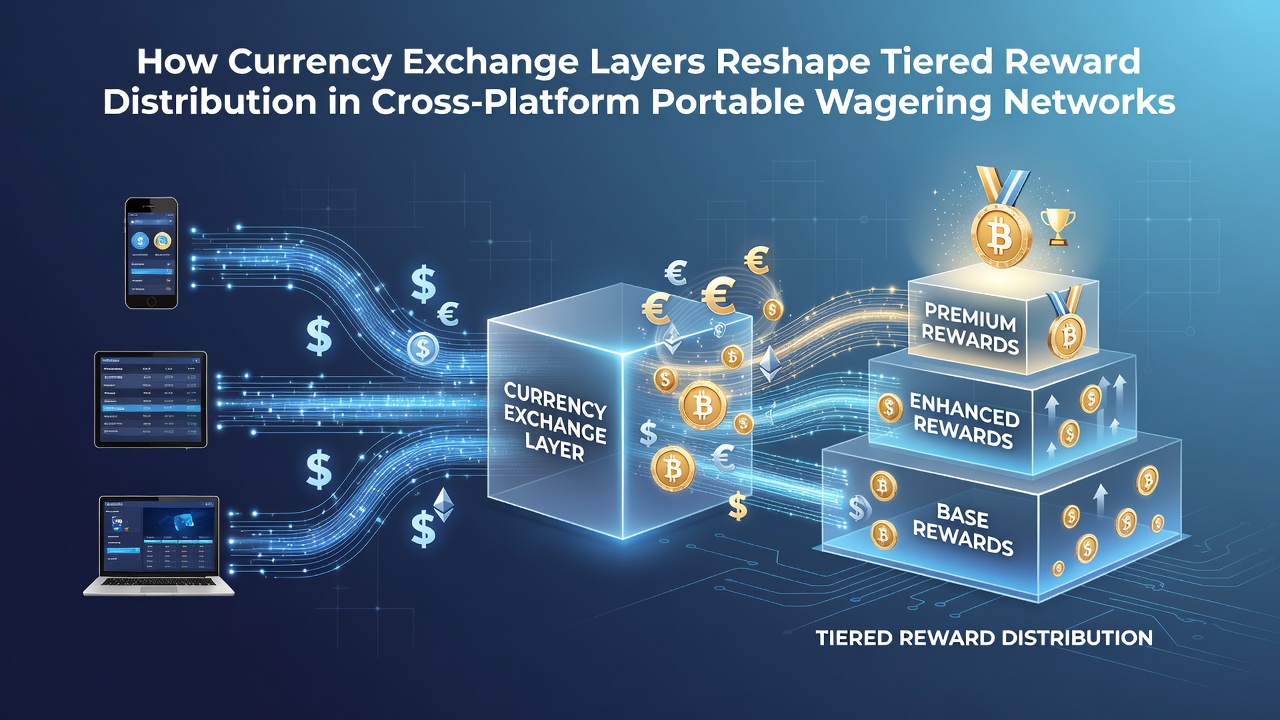
Currency Conversion Mechanisms Transforming Reward Structures in Mobile Betting Ecosystems
Industry observers note that currency exchange layers now sit at the core of how portable wagering networks calculate and distribute tiered rewards across multiple platforms and regions, and data from regulatory filings shows these mechanisms directly alter point accumulation rates when users switch between digital wallets denominated in different currencies. Researchers tracking mobile gambling patterns report that real-time conversion protocols adjust reward multipliers based on fluctuating exchange rates, which in turn affects eligibility for higher loyalty tiers during cross-border play sessions that occur throughout 2026.
Mechanics of Multi-Currency Integration in Wagering Platforms
Platform operators embed exchange rate engines directly into their backend systems so that every wager placed in one currency converts instantly to a standardized reward unit, yet studies from European gaming associations indicate this process introduces small variances that compound over repeated transactions and ultimately shift a player's position within tier structures. Those who have examined transaction logs from major networks find that platforms using dynamic conversion APIs record higher reward dispersion rates compared with fixed-rate models, particularly when users move funds between North American and Asian market segments. Figures released by the Australian Gambling Research Centre in mid-2026 reveal that portable networks handling over 50,000 daily cross-currency transactions see tier advancement timelines extend by an average of 12 percent when conversion fees exceed 1.5 percent.
Effects on Tiered Reward Distribution
Tiered systems rely on accumulated points that reflect both wager volume and currency stability, so exchange layer adjustments can either accelerate or delay progression depending on the volatility of the source currency at the moment of conversion. Analysts reviewing September 2026 performance data from several global operators note that reward pools allocated to higher tiers shrink when weaker currencies dominate player activity, because converted amounts fall below threshold requirements more frequently. Industry reports compiled by the Canadian Gaming Association demonstrate that networks incorporating predictive hedging tools within their exchange layers maintain more consistent tier distributions across regions, whereas those relying on spot rates experience noticeable fluctuations in monthly reward allocations.
One study conducted by researchers at a European university examined three major portable platforms over six months and found that users who frequently switched currencies encountered a 7 to 9 percent reduction in effective reward value compared with single-currency participants, primarily because of accumulated conversion spreads rather than explicit platform fees. Observers tracking these patterns emphasize that the timing of currency switches often determines whether a player qualifies for bonus multipliers tied to specific tiers.
Cross-Platform Challenges and Standardization Efforts
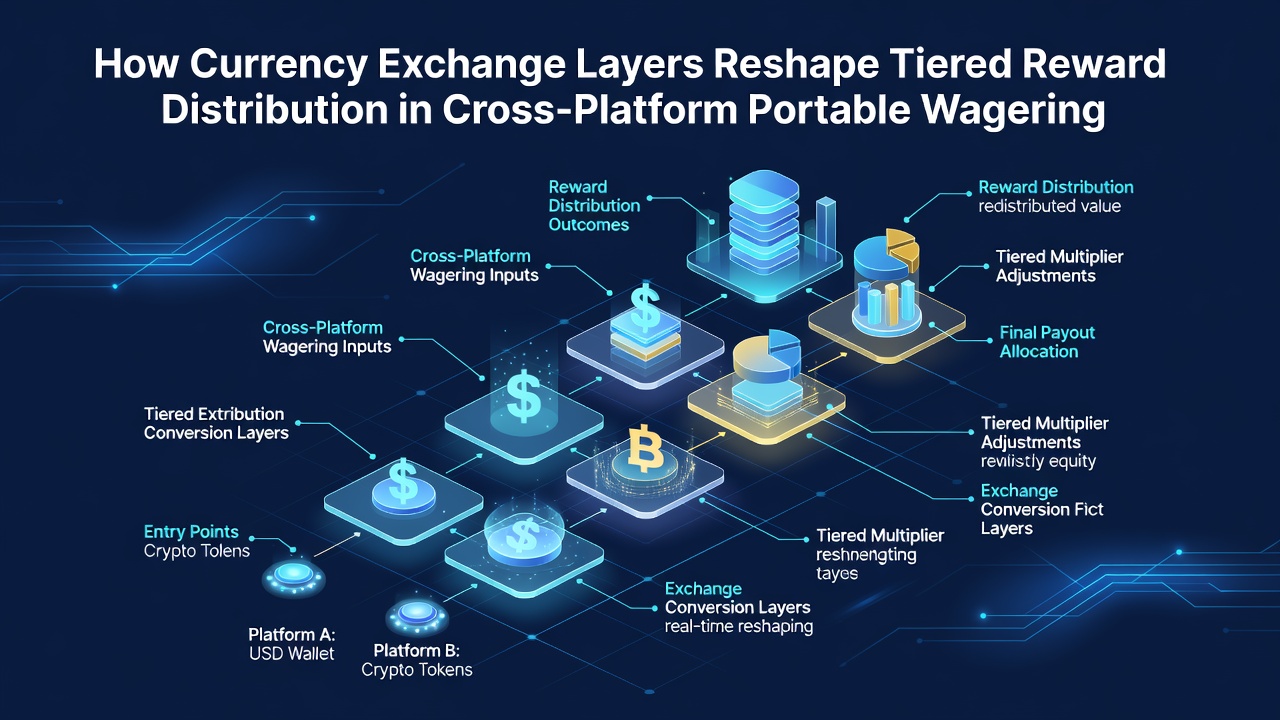
Portable wagering networks operate across mobile applications, web interfaces, and sometimes integrated land-based terminals, which means exchange layers must synchronize reward calculations in real time to prevent discrepancies that could undermine tier integrity. Data collected by the International Association of Gaming Regulators shows that platforms adopting unified conversion ledgers reduced reward disputes by 34 percent during the first half of 2026, while networks maintaining separate ledgers per platform reported higher instances of tier rollback requests. Experts analyzing these systems point out that latency in currency updates can create temporary mismatches, allowing some users to accumulate points at favorable rates before adjustments propagate across all connected devices.
Regulatory frameworks in multiple jurisdictions now require operators to disclose conversion methodologies used for reward calculations, and compliance reports submitted to authorities in Australia and Canada during September 2026 highlight ongoing efforts to standardize timestamp protocols for rate applications. Those reviewing the filings note that transparent disclosure correlates with increased player retention in multi-currency environments, because participants gain clearer visibility into how their activity translates across tiers.
Future Developments in Exchange Layer Technology
Developers continue refining algorithmic approaches that predict exchange movements and pre-adjust reward multipliers accordingly, and preliminary tests conducted by several network providers indicate these predictive models can stabilize tier progression rates even during periods of high currency volatility. Industry conferences held in 2026 featured presentations on blockchain-based exchange ledgers that promise immutable records of conversion events, potentially reducing discrepancies that arise from traditional centralized systems. According to findings presented by academic researchers at a North American institution, early adoption of such ledgers has already produced measurable improvements in reward distribution equity across test networks spanning three continents.
Conclusion
Overall, currency exchange layers have become integral components that directly influence how tiered rewards are calculated and distributed within cross-platform portable wagering networks, and available data from regulatory bodies and research institutions demonstrates measurable impacts on player progression timelines and reward values. Continued monitoring of these mechanisms through 2026 and beyond will provide further clarity on optimal integration strategies that maintain consistency across diverse currency environments.